
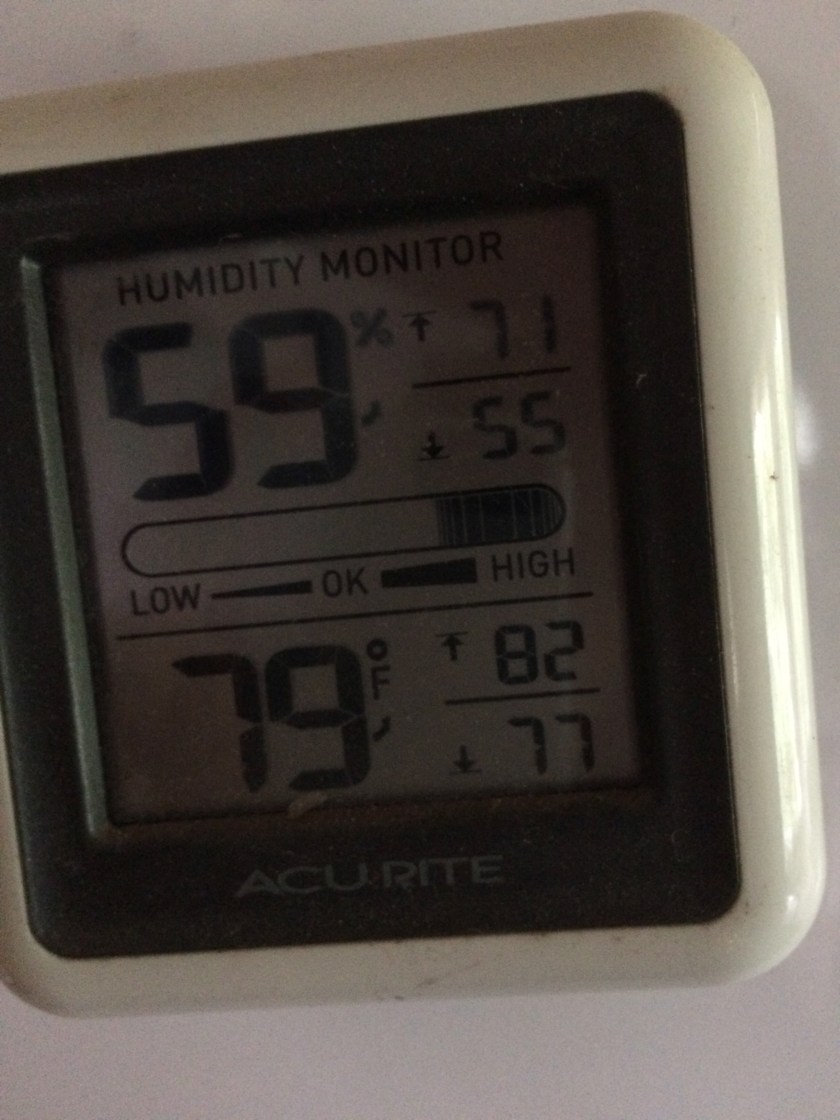
Anyone who claims living in the tropics does not appeal to them because they would miss the changing seasons needs to consider a realm beyond snow and sun. The deep tire tracks of mud, the impassable rivers on the roads, the vivid greens, the molds, and the cacophony of jungle noises seem to be from another world entirely now that summer is here. I had heard about Nosara’s dust during the dry season, but I am only now beginning to understand. It comes with wind and a scarcity of water that is palpable on many levels. The most obvious would be the swirling dust clouds that hang in the air and can often bring you to a complete standstill in your car like any blizzard. The thin layer of dust that coats every surface in our house has us seriously weighing the advantages of a refreshing breeze through open windows, or shutting the house tightly and turning on the fans. The humidity meter on our fridge now reads consistently in the 60’s. During our first three months the level stayed at 93, convincing us all that it was broken.
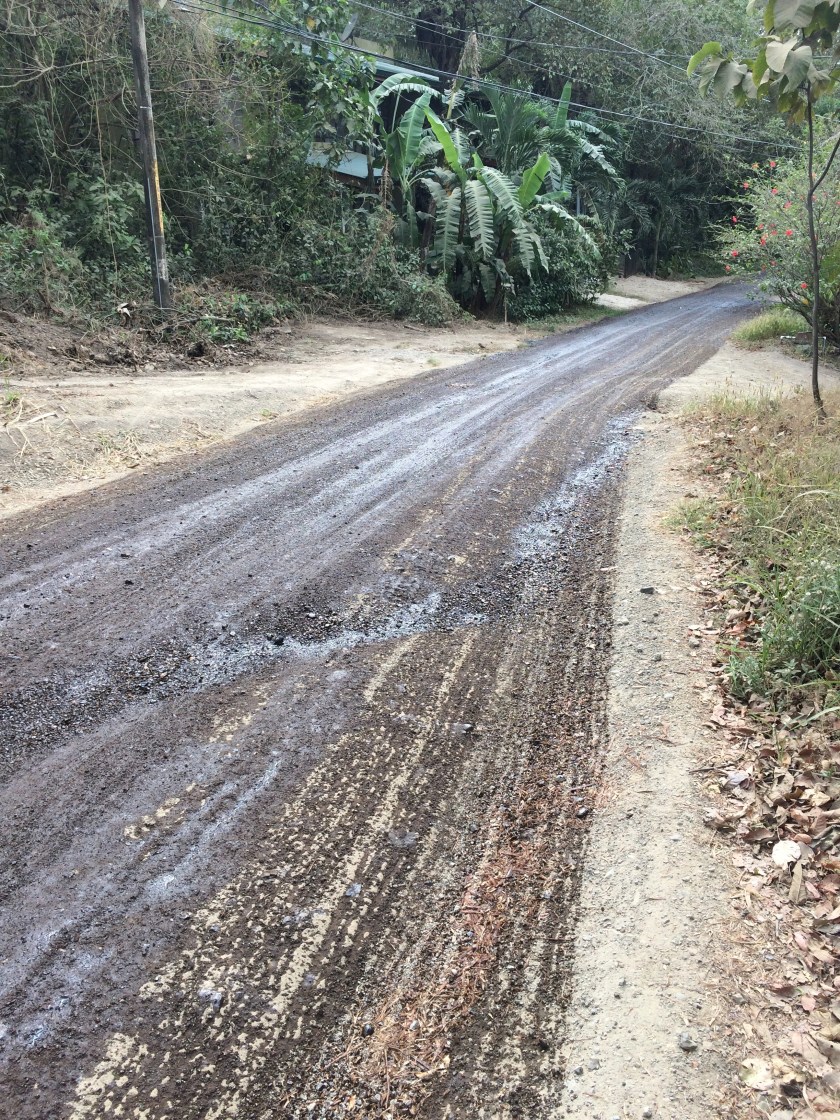
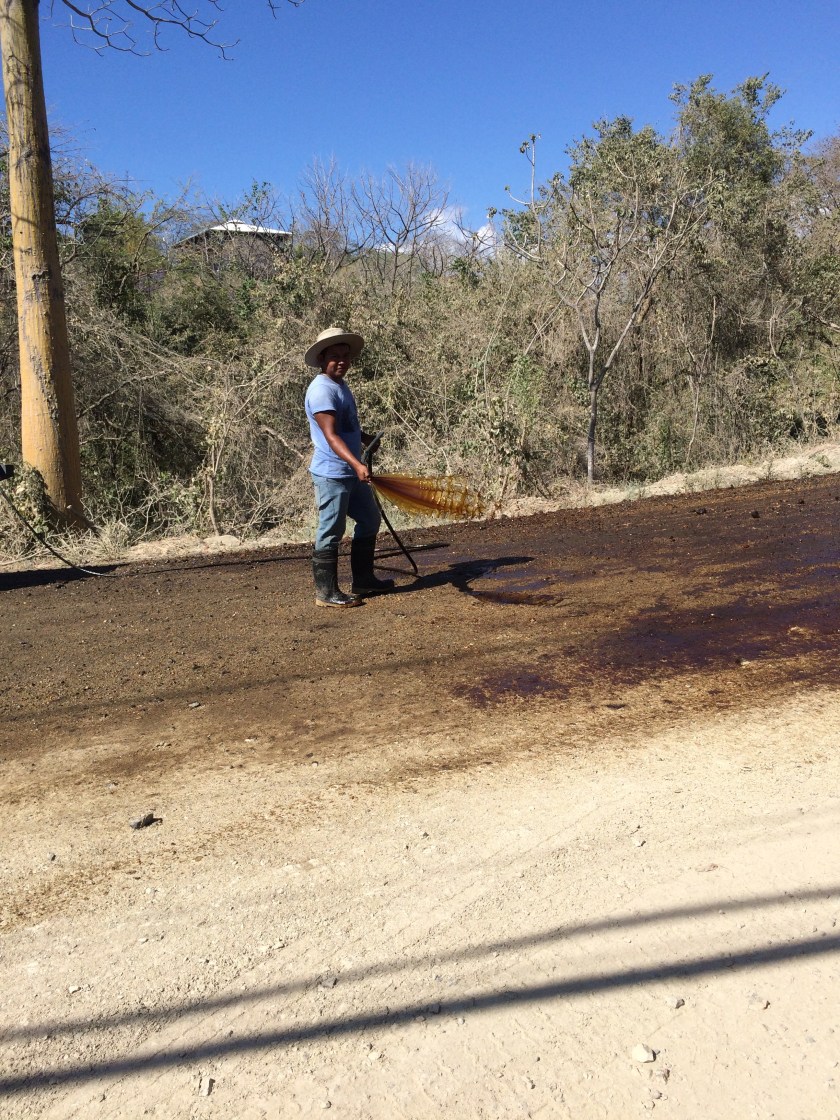
Some of the roads have been coated in molasses to keep the dust in check, and Russell especially loves the smell of a freshly coated road. In a triumph of bad timing, the a/c on our car stopped working, and we now open the windows driving on molasses coated roads but close them as we approach the dust hanging in the air ahead. Walking home one day I was overjoyed to find our road sticky and pungent with a fresh coating of molasses, though the line stopped abruptly just past our driveway. Did the truck run out of molasses? Did some on the street not pay their dues? I have no idea, but nevertheless was absurdly pleased to send the boys the following text:
But as the gravel accumulated on the sticky soles of my shoes I considered, as I now always do, my friends the ants. I left my “molasses walking shoes” outside next to my sandy, broken duct-taped “beach sandals” (the ones that will never be stolen from the beach) and took stock of my remaining possibilities for “house shoes”. One pair of boots stashed for the return of the muddy season, and one last pair of sandals. By process of elimination, sometimes there is no decision to make.
Speaking of my friends, the ants, they have taken to gathering just inside the rim of the toilet bowl at night in their nocturnal searches for water. The dominant colony in our house is currently of large black ants who are a bit more disconcerting than the translucent medium red ones they have replaced. They don’t bite, but they are big enough to crunch under your feet, and dark semi-conscious trips to the bathroom at night no longer happen for us.
The wind is strongest at night, and the crashes of things from the jungle hitting our corrugated tin roof sound like gunshots in the night. No more creature sounds can be heard over the hissing of the wind through the trees. December and January are the windy months I am told, and what I thought would be a thoroughly pleasant phenomenon has turned out to be a bit more multifaceted than that…
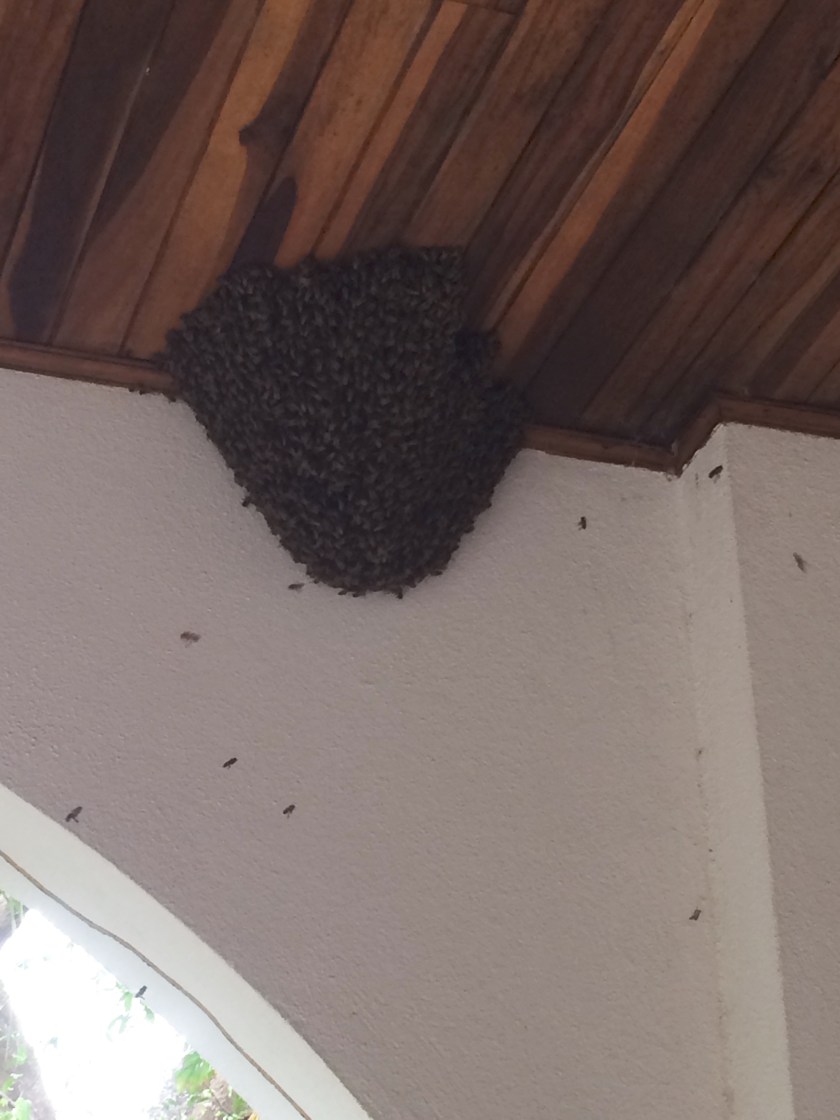
A few days ago I was rounding the house and came across this buzzing swirling hive of bees on the back porch. It was one of those times when you scratch your head and wonder, could I have not noticed this thing? When was the last time I’d been back here? And so forth. It was not a passive hive in any sense; the humming of the bees was loud and palpable. Not only were there bees swirling around it, but the entire exterior of the hive was a writhing mass of bees. I snapped this quick shot and sent it to my property manager.
I thought no more about it until that evening when a man in a truck topped with a flashing red light pulled into my driveway. (Visitors make themselves known at our house by simply standing in the driveway and yelling up at the windows. It’s a funny phenomenon which reminds me of living on boats. Where there is no obvious door and life is conducted mainly outside, you just give a shout or whistle to alert people that you are there.) So he called me down and asked me about the bees. He said he would try to take them alive because Africanized bees had the best honey, in his opinion. Africanized?
I went inside to shut all of the windows while he donned “the suit”. I then noticed about four frantic messages from my property manager exhorting me to stay away from the bees. A quick google search taught me that some genius crossbred African bees with European bees in Brazil and let a few escape. They are now crossbreeding with native populations and overtaking colonies all the way to the southern U.S. Aggressive and tenacious, they will attack perceived enemies in great numbers and have been known to pursue their target for a quarter of a mile. I am so glad that our adventure here didn’t end like a bad movie.
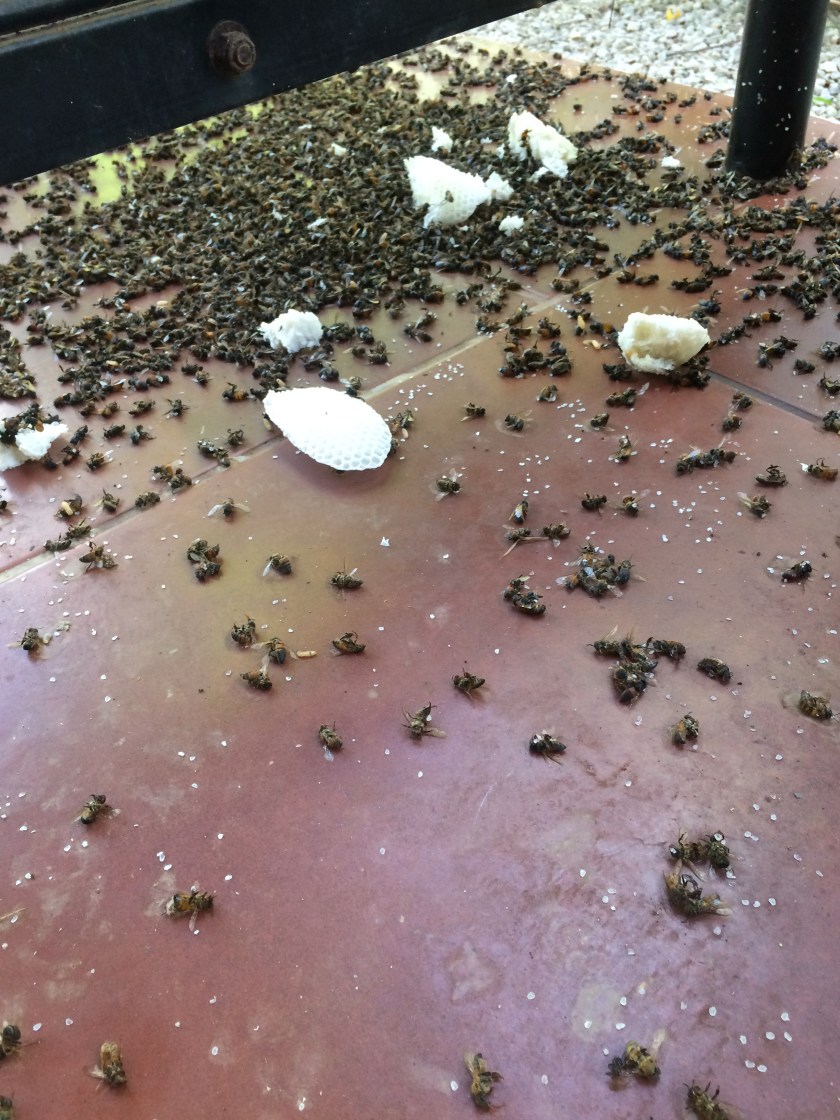
In the end, our bee handler finished up well after dark. They got a little aggressive with me, he explained, and so I had to kill them. There would be stragglers, but if they stayed too long or tried to build another nest (which they evidently can do in a day’s time), I was to call him back again. I promised that I would, and those stragglers stuck around for another two days before I could get this picture of the aftermath. The field of bodies is expansive, but mostly under a couch, so this was the best I could do. Suffice it to say–there were lots of bees. Abejas, by the way 😉
 Kathawala Gap Year
I love your adventures, and your writing is phenomenal! I feel like I’m there, but without the down times or bug bites!
Molasses roads, Woah!!! I would have never known that was a thing.
Keep rocking!!
LikeLiked by 1 person